Best Dog Food for Puppies & Dogs
Choosing the right dog food is an important part of keeping your dog healthy and active. The best food can depend on your dog’s age, size, breed, activity level, and individual dietary needs. Explore different types of dog food and find options suitable for puppies, adult dogs, small breeds, and large breeds.
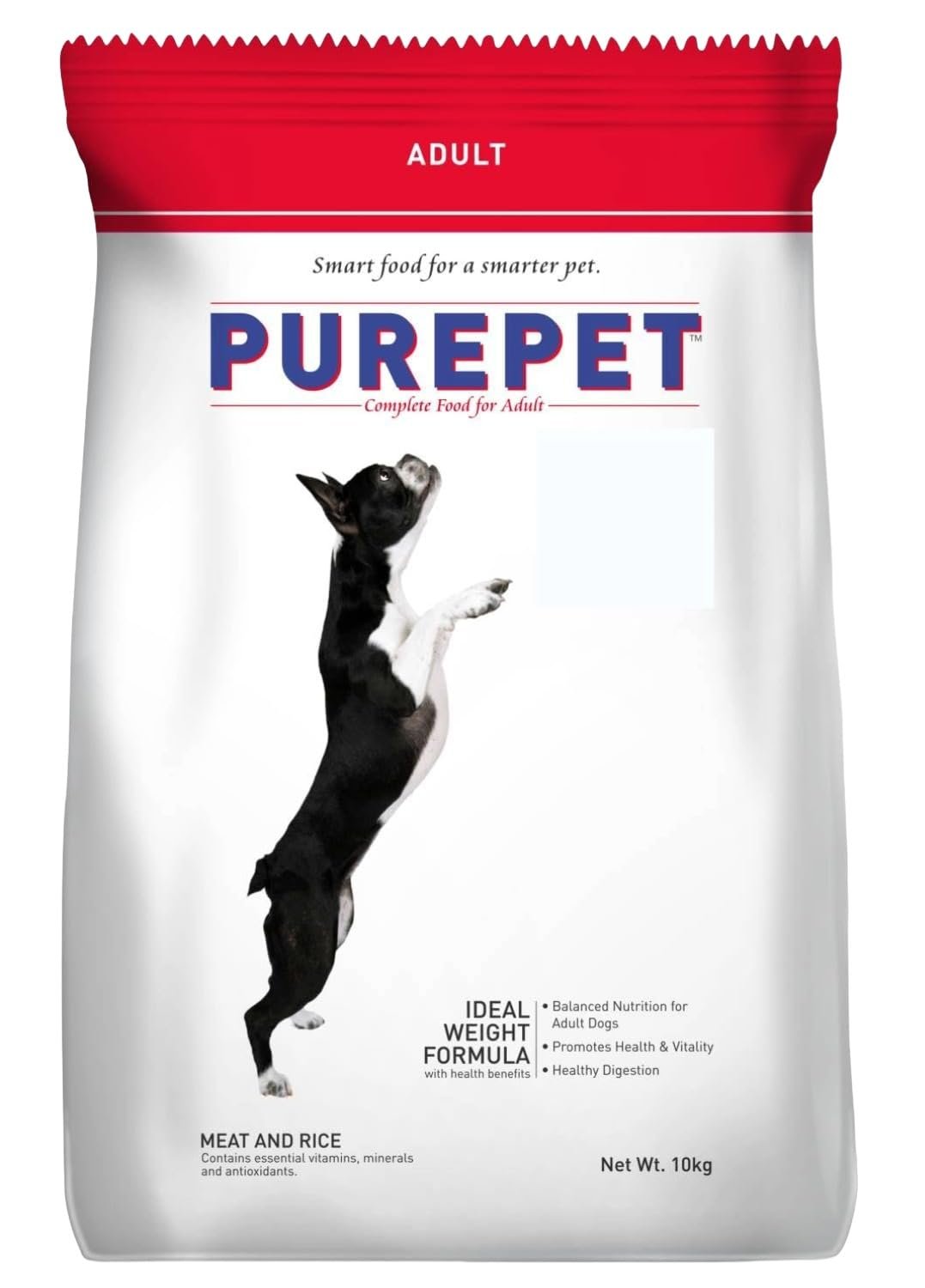
Frequently Asked Questions About Dog Food
1. What Is the Best Dog Food for Puppies?
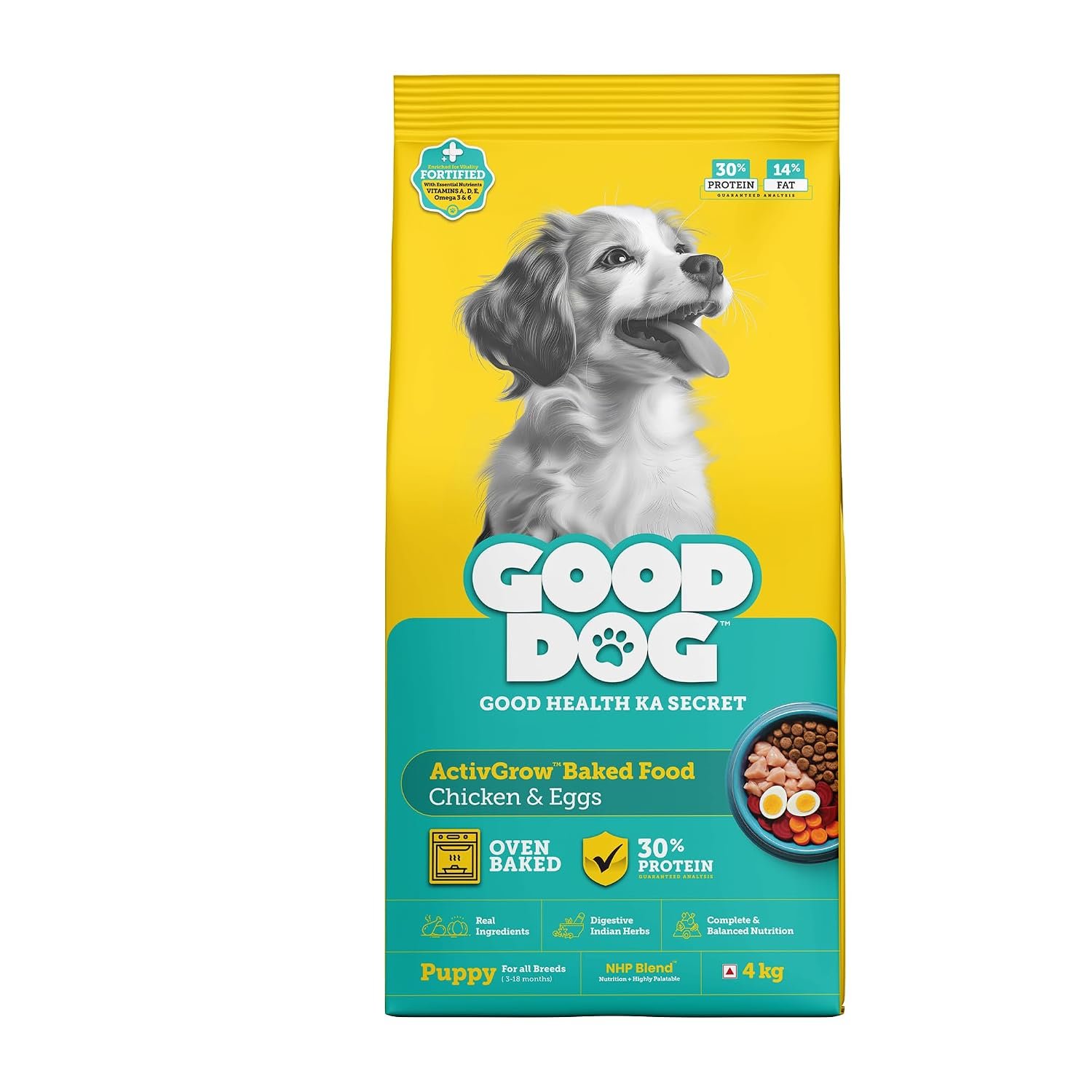
The best dog food for puppies is one that is specially formulated for their age, size, and growth needs. Look for a complete and balanced puppy formula with appropriate protein, fat, vitamins, and minerals. Large-breed puppies may also need food specifically designed for controlled growth.
2. What Is the Best Dog Food for Adult Dogs?
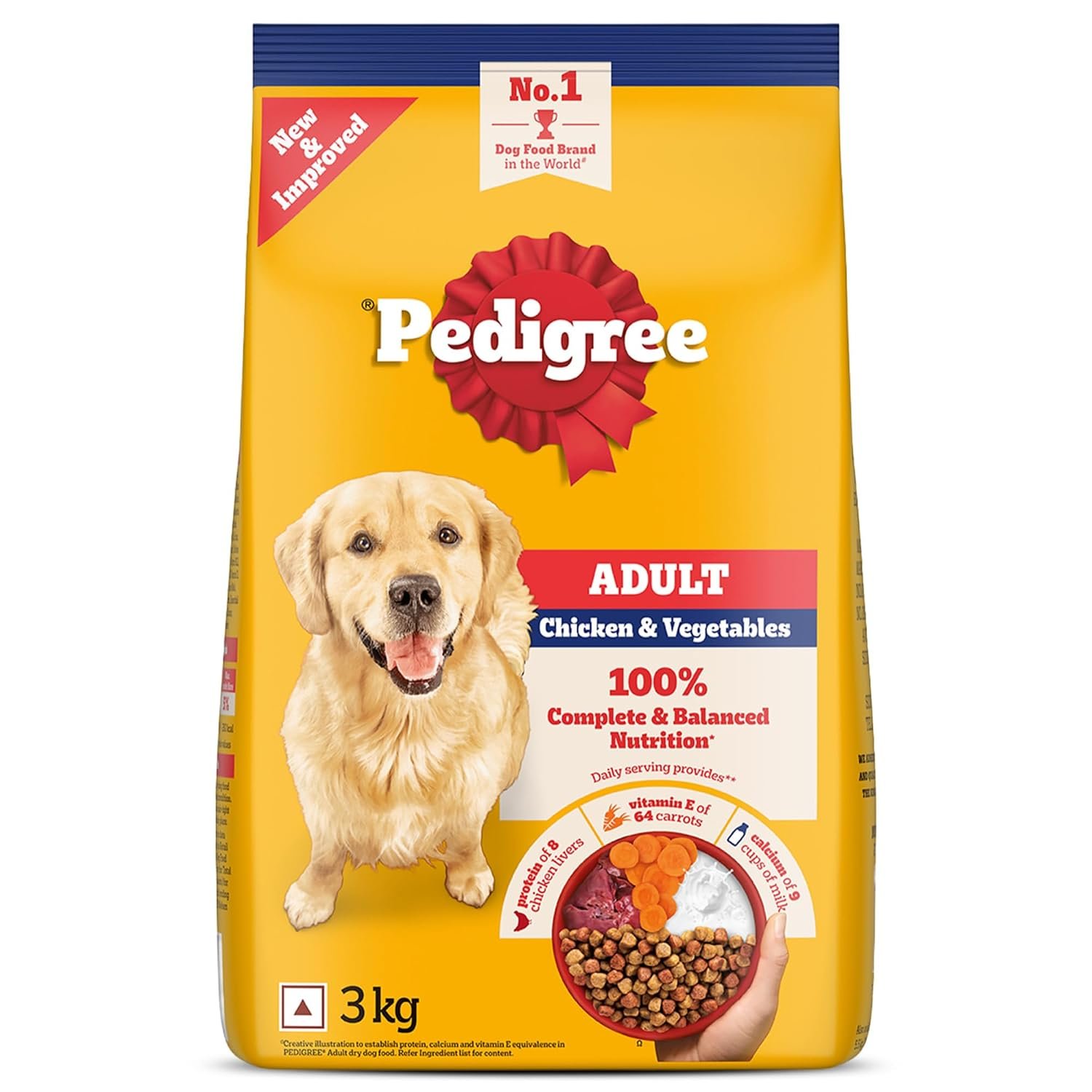
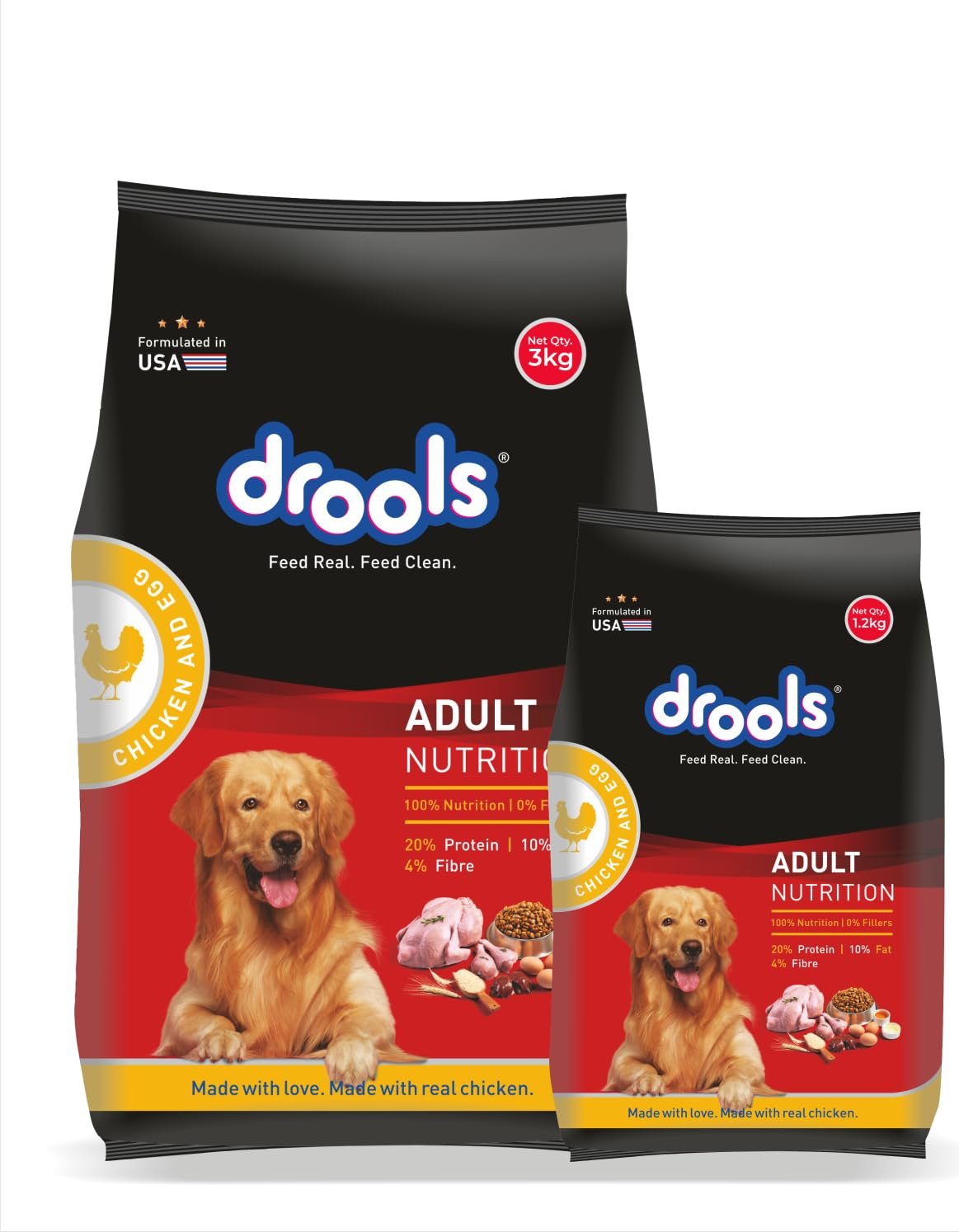
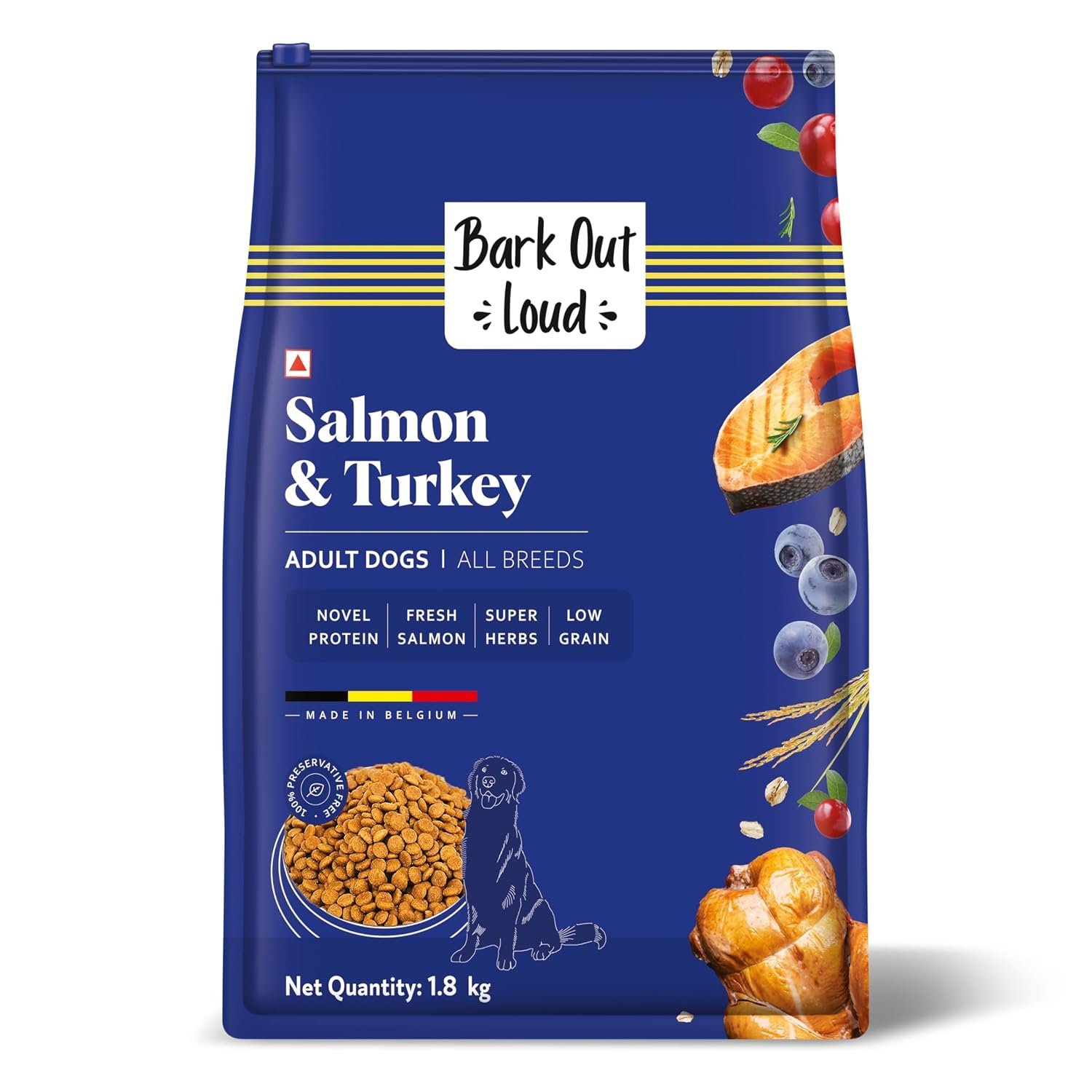
The best dog food for an adult dog depends on its size, activity level, breed, and individual dietary needs. Choose a complete and balanced adult formula that provides suitable nutrition for maintaining energy, muscles, and overall health.
3. How Much Dog Food Should I Give My Dog Each Day?
The right amount depends on your dog’s age, weight, activity level, and the calorie content of the food. Start with the feeding guidelines on the product packaging and adjust the amount based on your dog’s body condition and your veterinarian’s advice.
4. How Often Should I Feed My Dog?
Most adult dogs are commonly fed once or twice a day, while puppies generally need more frequent meals. The ideal feeding schedule can vary depending on age, size, activity, and individual needs.
5. Is Dry Dog Food or Wet Dog Food Better?
Both dry and wet dog food can provide balanced nutrition when properly formulated. Dry food is convenient and easy to store, while wet food contains more moisture and may be more appealing to some dogs. The best option depends on your dog’s needs and preferences.
6. What Ingredients Should I Look for in Dog Food?
Look for a food with a suitable source of animal or other high-quality protein, appropriate fats, carbohydrates, vitamins, and minerals. The formula should be complete and balanced for your dog’s life stage. Always consider your dog’s individual dietary requirements when choosing food.
7. Can Puppies Eat Adult Dog Food?
Puppies generally should eat food formulated for puppies because they have different nutritional requirements during growth. Adult dog food may not provide the appropriate balance of nutrients needed for healthy puppy development.
8. What Is the Best Dog Food for Small Breeds?
Small-breed dogs can benefit from food specifically formulated for their smaller size, energy needs, and often smaller kibble size. Choose a complete and balanced formula appropriate for your dog’s age and activity level.
9. What Is the Best Dog Food for Large Breeds?
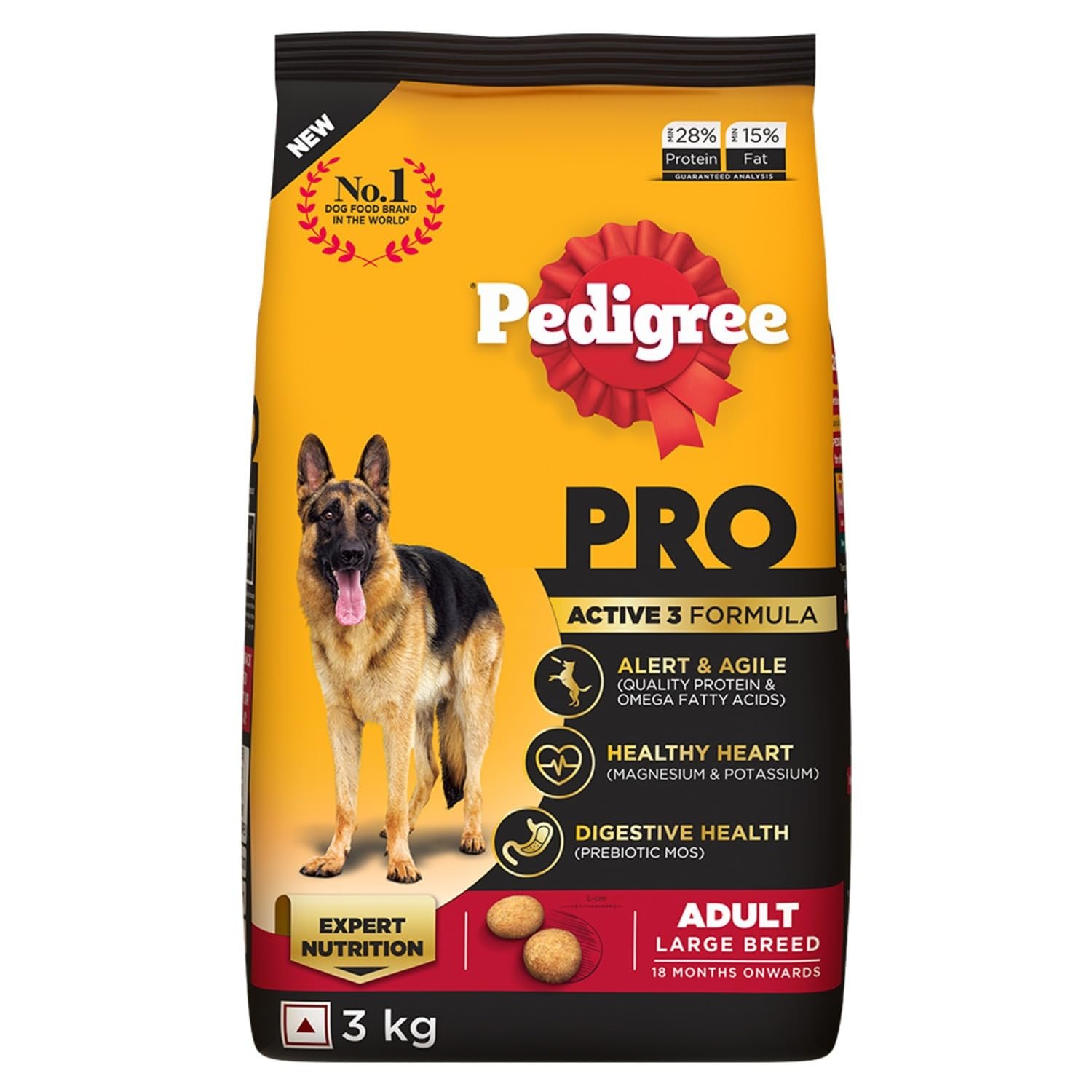
Large-breed dogs may benefit from formulas designed specifically for their size and growth requirements. For puppies, large-breed puppy food can be particularly important because controlled growth and appropriate nutrient levels are important during development.
10. How Should I Change My Dog's Food?
Change your dog’s food gradually rather than switching suddenly. Start by mixing a small amount of the new food with the current food and gradually increase the new food over several days. If your dog develops persistent digestive problems, contact a veterinarian.
11. What Is the Best Dog Food for Senior Dogs?
Senior dogs may have different nutritional needs depending on their age, activity level, weight, and health. A senior dog formula can be useful, but the right choice should also consider any individual dietary requirements or health conditions.
12. Can Dogs Eat the Same Food Every Day?
Yes, dogs can generally eat the same complete and balanced food every day if it meets their nutritional needs and suits them. However, their dietary requirements can change with age, weight, activity, or health, so their food may need to be adjusted over time.