Best Dog Toys for Puppies & Dogs
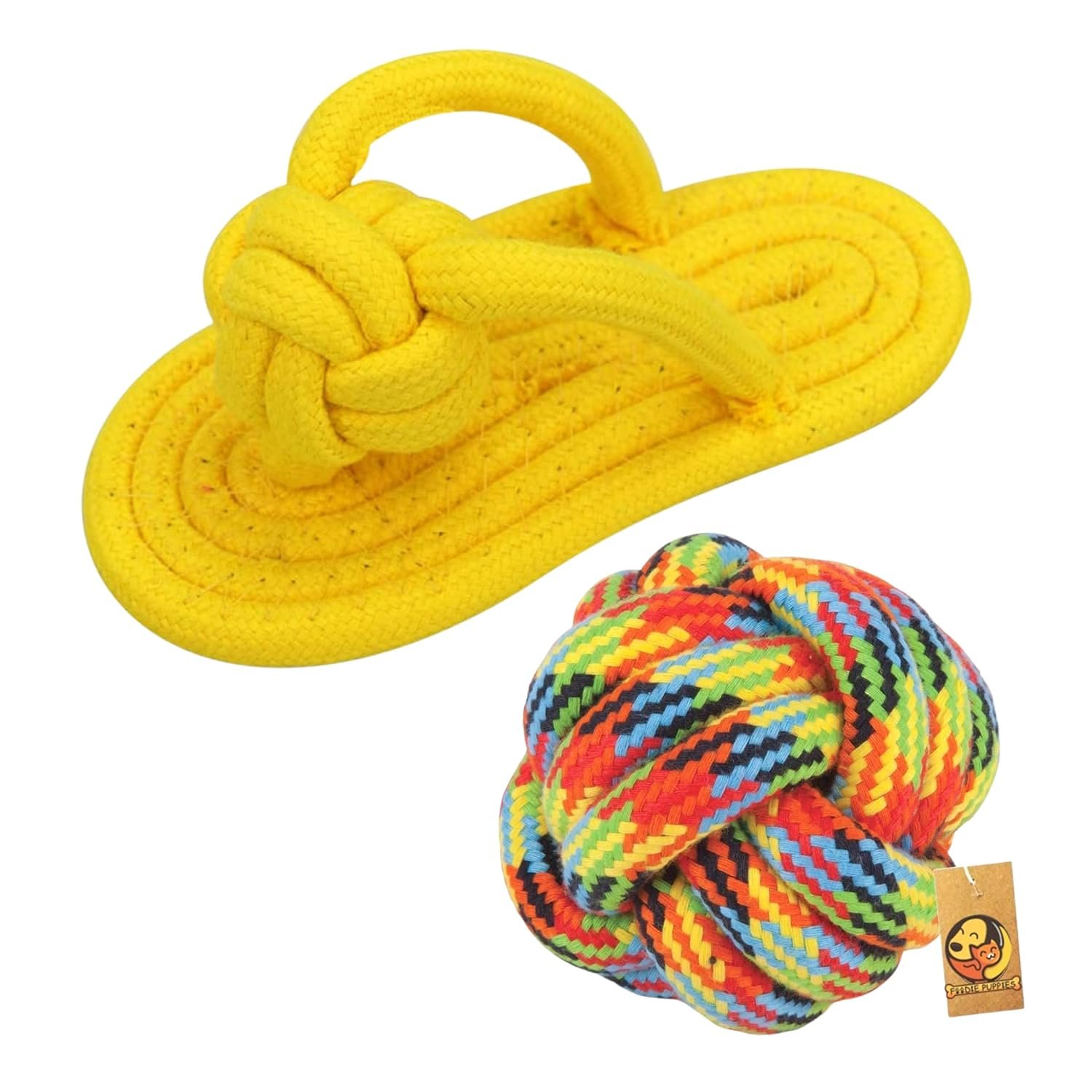
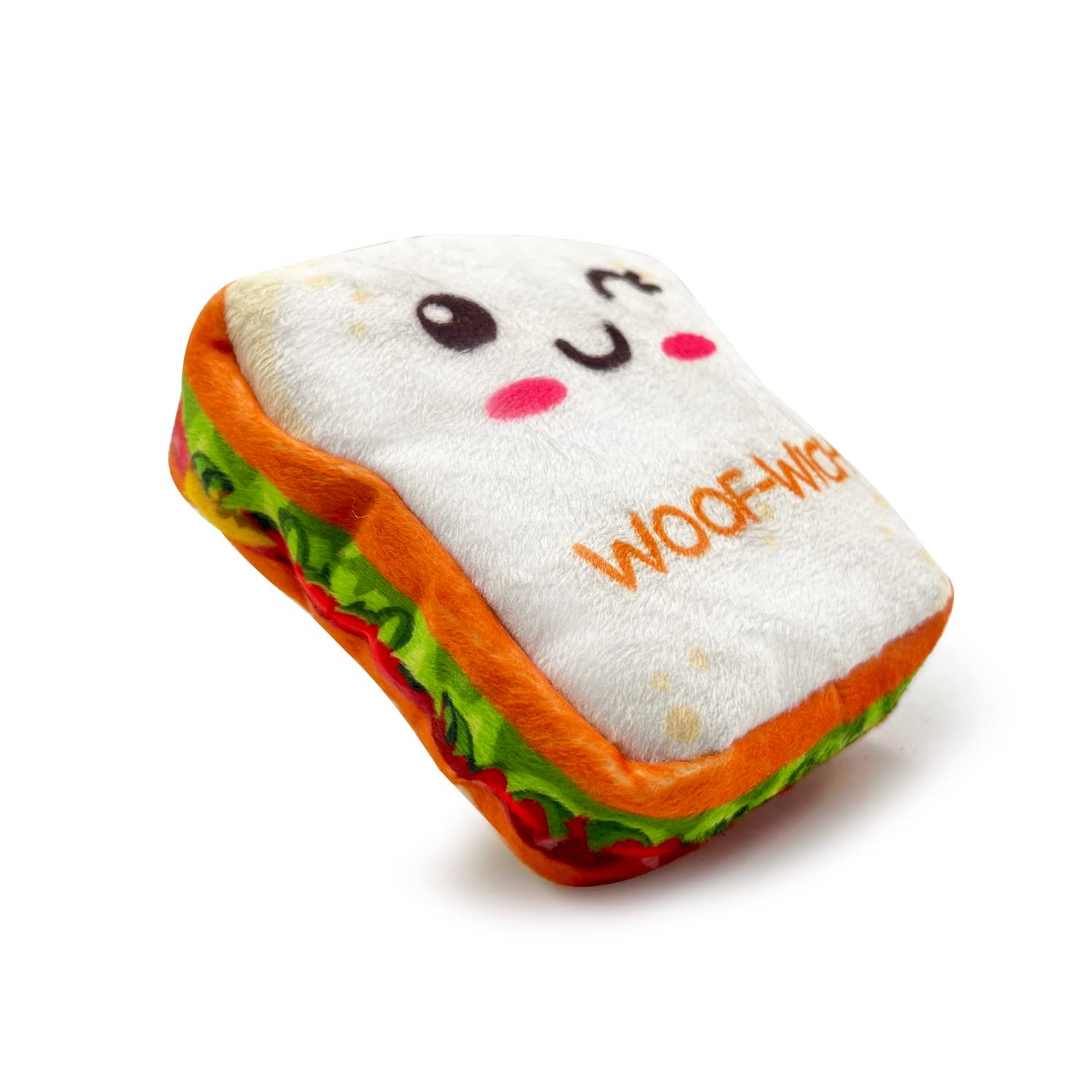
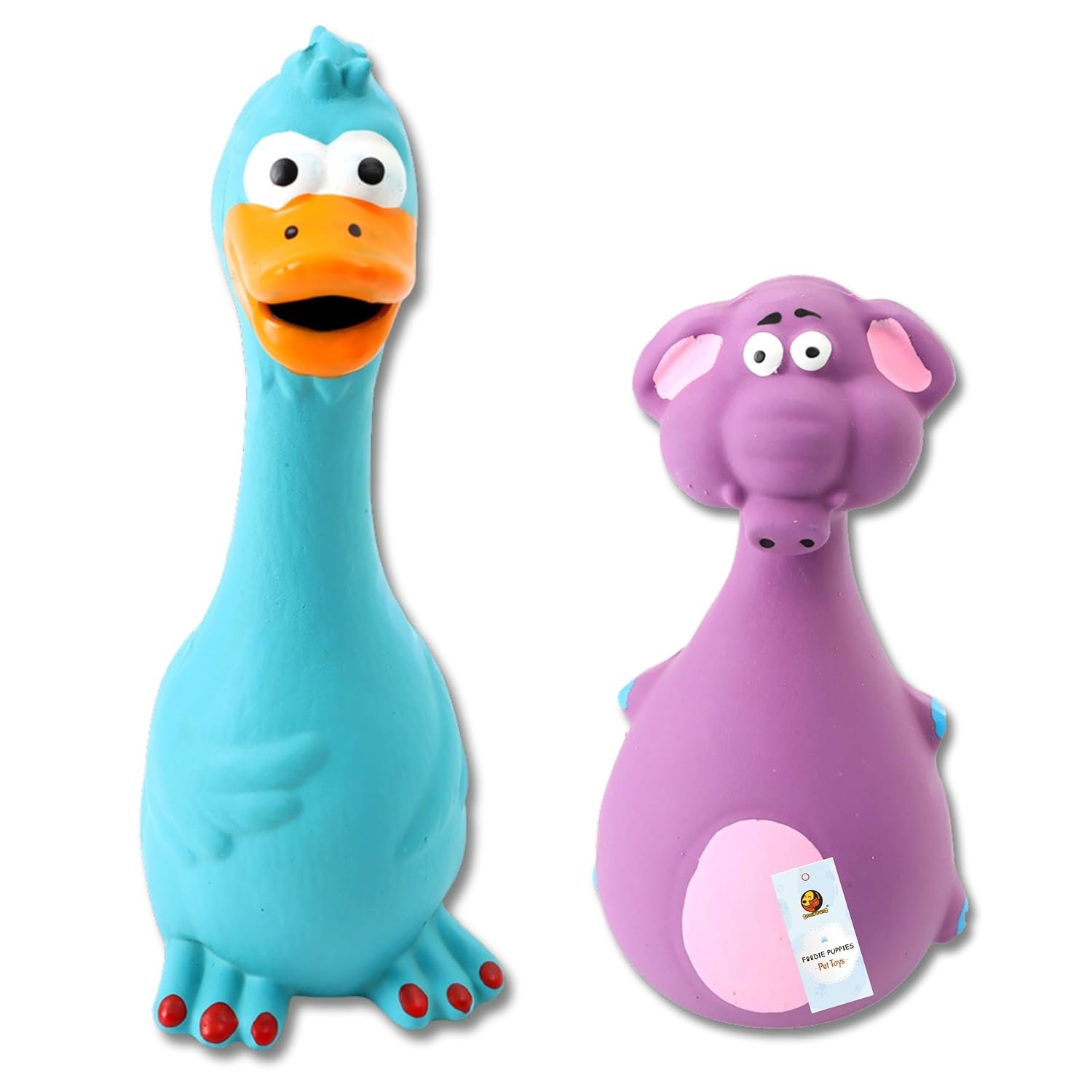
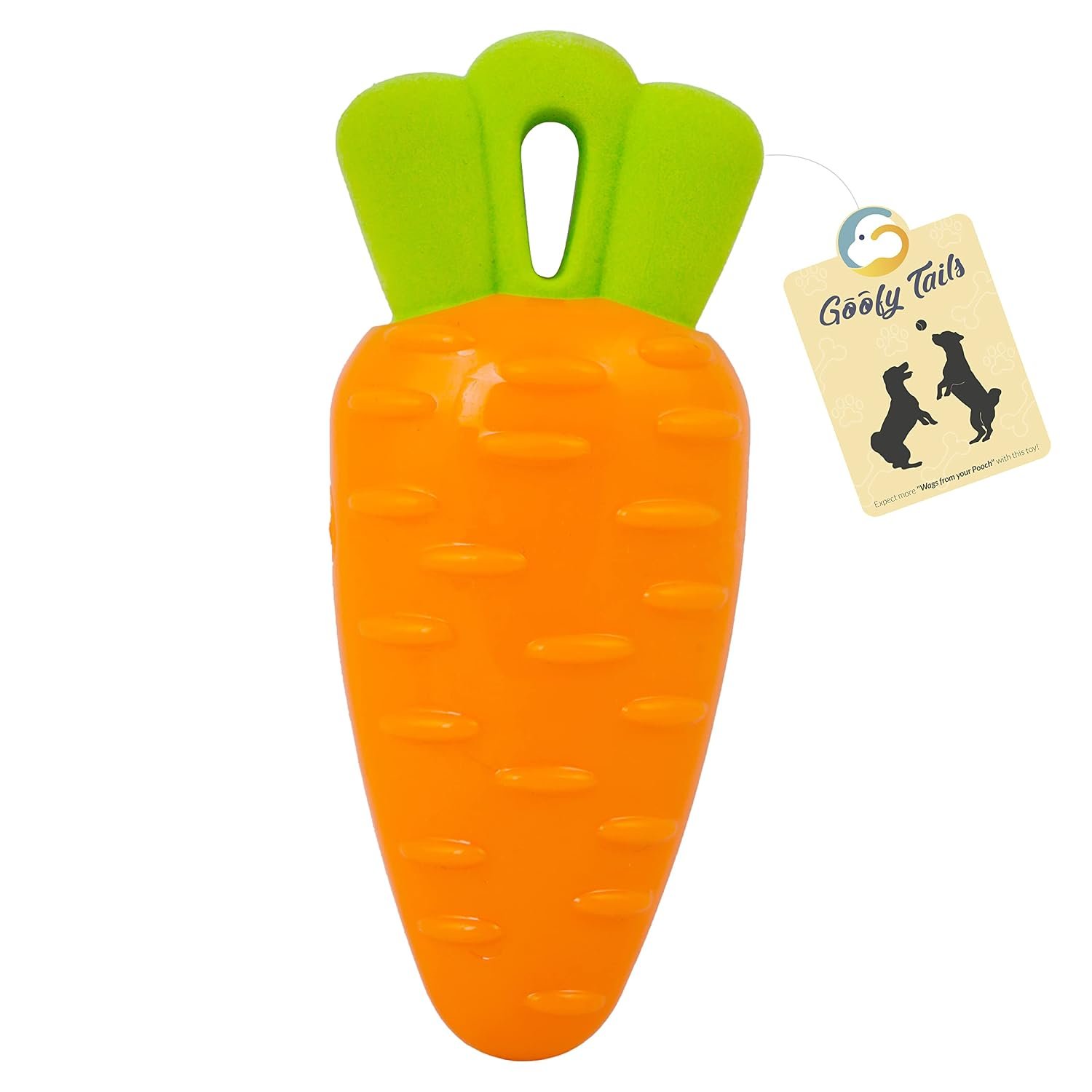
Dog toys provide more than just entertainment. The right toy can encourage exercise, mental stimulation, chewing, and interactive play. Explore different dog toys based on your dog’s age, size, chewing habits, and play style.
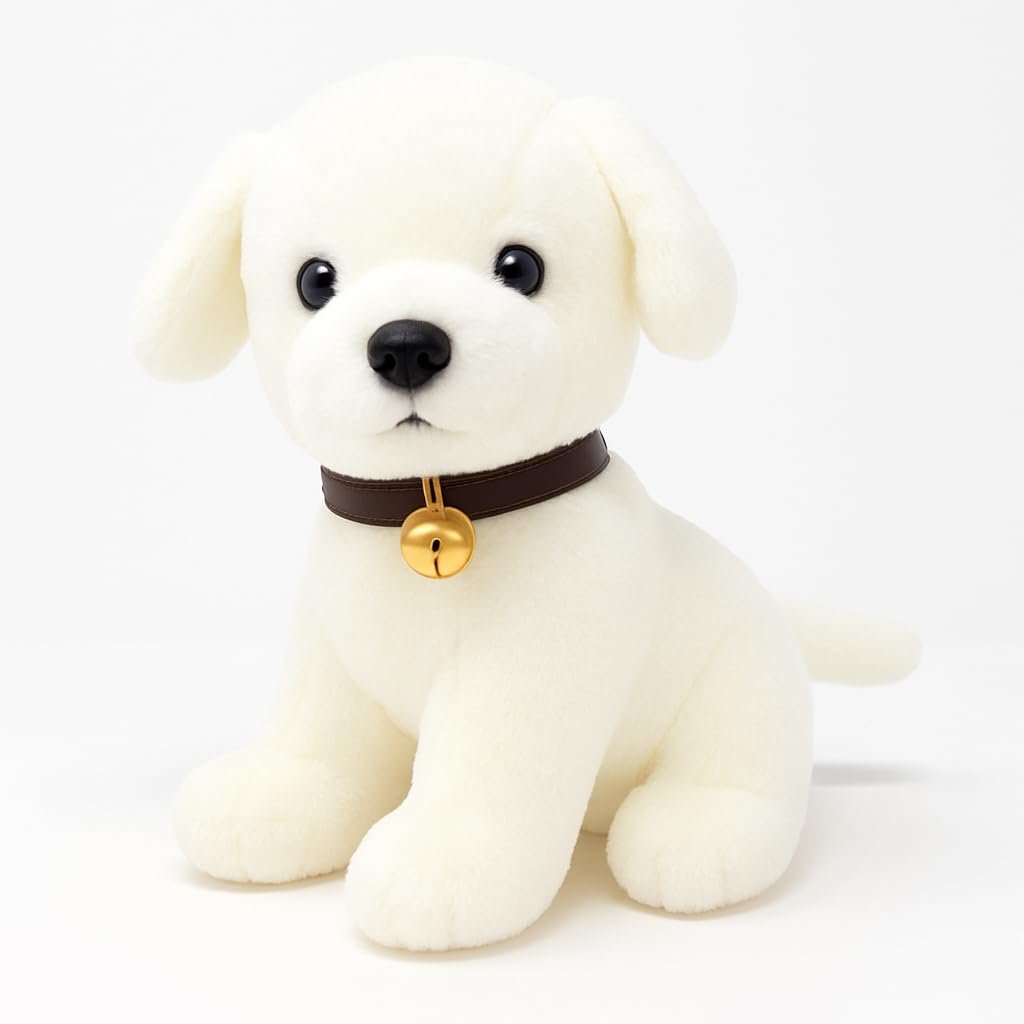
Frequently Asked Questions About Dog Toys
1. What Toys Are Best for Puppies?
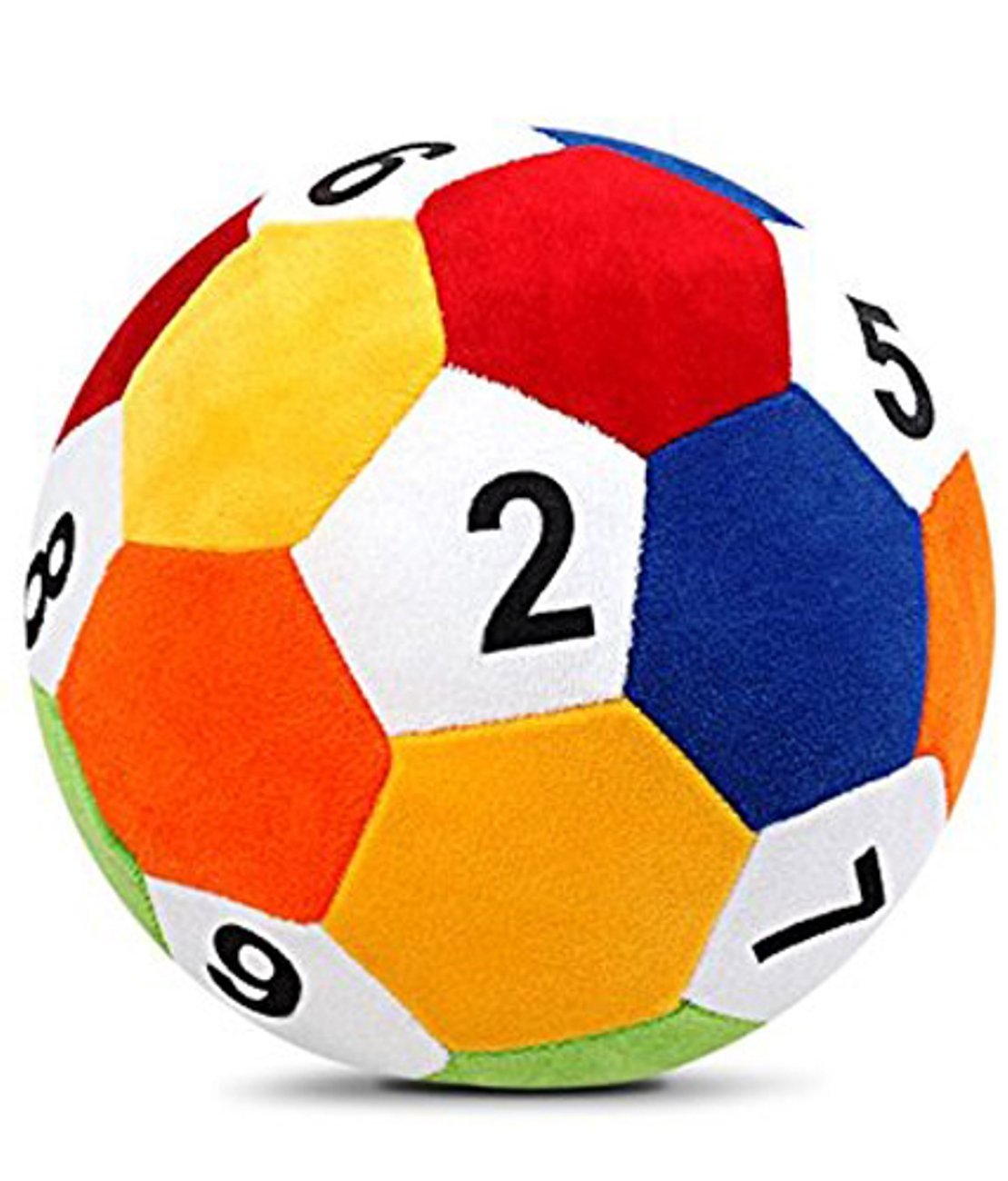
The best toys for puppies are those designed for their age, size, and chewing needs. Soft chew toys, puppy teething toys, interactive toys, and appropriately sized plush toys can provide both play and mental stimulation. Always choose toys that are too large to swallow.
2. What Are the Best Toys for Aggressive Chewers?
Dogs that chew heavily may benefit from durable chew toys made from strong, dog-safe materials. Look for toys specifically designed for aggressive or power chewers. No toy is completely indestructible, so check the toy regularly for damage and replace it when necessary.
3. Are Squeaky Toys Safe for Dogs?
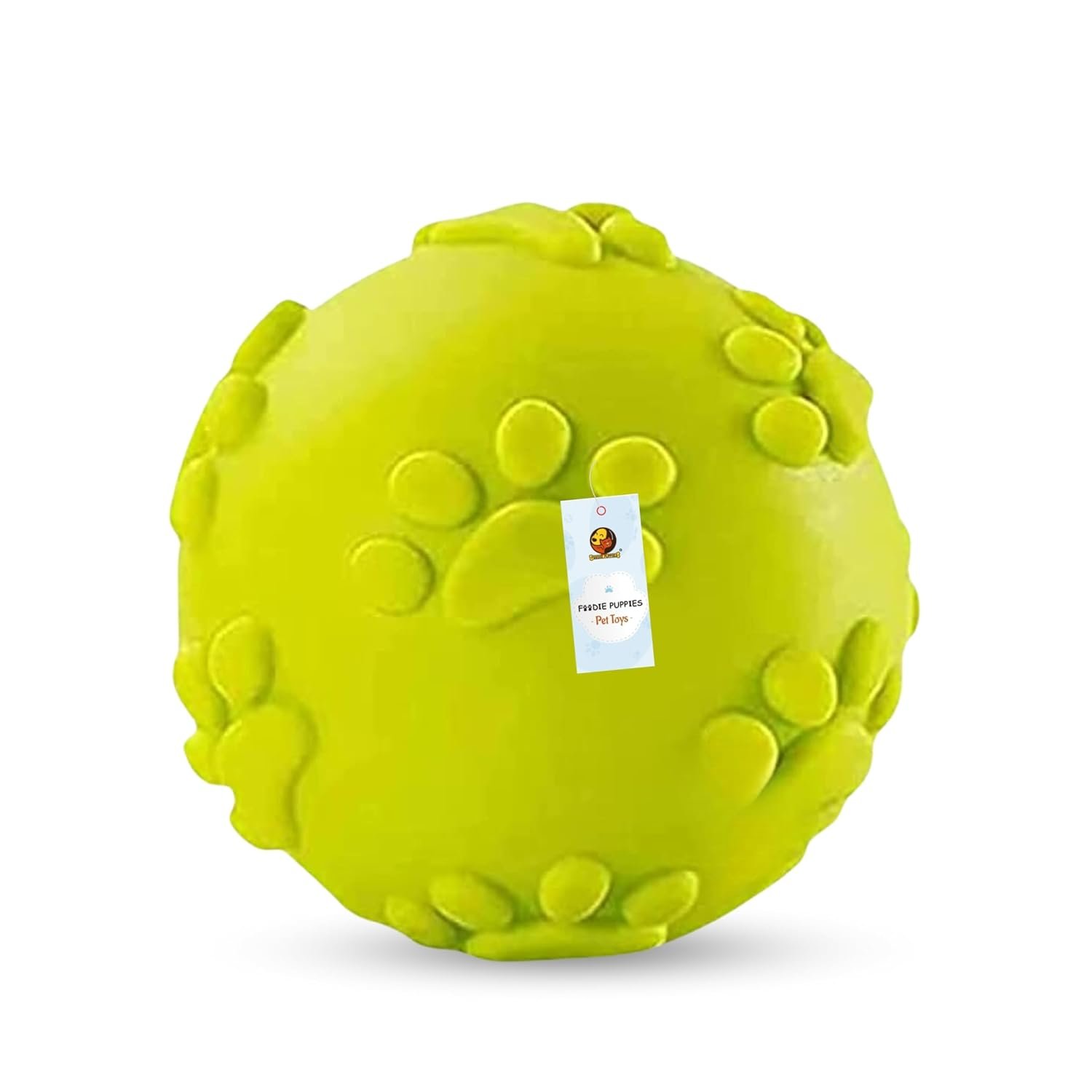
Squeaky toys can be safe for many dogs when they are appropriately sized and used under suitable supervision. However, some dogs may try to destroy and swallow the squeaker or pieces of the toy. Remove the toy if it becomes damaged or develops loose parts.
4. How Do I Choose the Right Toy Size for My Dog?
Choose a dog toy that matches your dog’s size and breed. The toy should be large enough that your dog cannot swallow it but small enough to hold and play with comfortably. Always follow the manufacturer’s recommended size when available.
5. What Are the Best Toys for Teething Puppies?
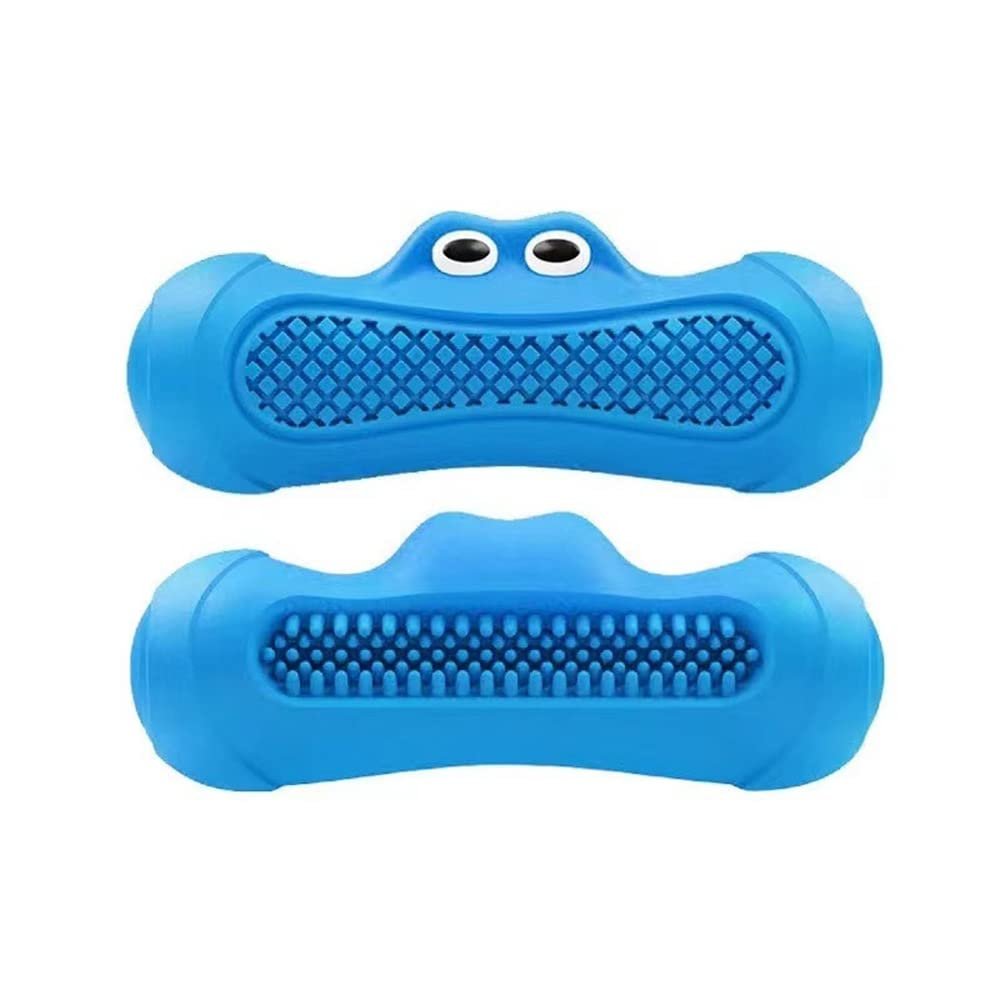
Teething puppies can benefit from appropriately sized chew toys designed specifically for puppies. Puppy teething toys can provide a suitable outlet for chewing and may help keep puppies occupied during the teething stage. Avoid toys that are excessively hard or easily break apart.
6. How Often Should I Replace My Dog's Toys?
There is no fixed schedule for replacing dog toys. Inspect them regularly and replace them when they become torn, cracked, heavily worn, or develop loose pieces. Dogs that chew aggressively may need their toys replaced more frequently.
7. Can Dogs Play With Toys Without Supervision?
Some toys may be suitable for independent play, while others require supervision. Always follow the manufacturer’s instructions and consider your dog’s chewing habits. Toys that can break apart, contain small parts, or become damaged should generally be used with appropriate supervision.
8. What Are the Best Interactive Toys for Dogs?
Interactive dog toys such as puzzle toys, treat-dispensing toys, and certain interactive feeders can provide mental stimulation and encourage dogs to work for their rewards. Choose a toy based on your dog’s size, experience, and activity level.
9. What Materials Are Safe for Dog Toys?
Dog toys are commonly made from materials such as rubber, nylon, fabric, and other materials designed specifically for pets. Choose products from reputable manufacturers and check that the toy is appropriate for your dog’s size and chewing behavior. Inspect toys regularly for damage.
10. How Do I Clean and Maintain Dog Toys?
Follow the manufacturer’s cleaning instructions because different toys require different cleaning methods. Many rubber and plastic toys can be washed with mild soap and water, while some fabric toys may be machine washable. Allow toys to dry completely before giving them back to your dog.